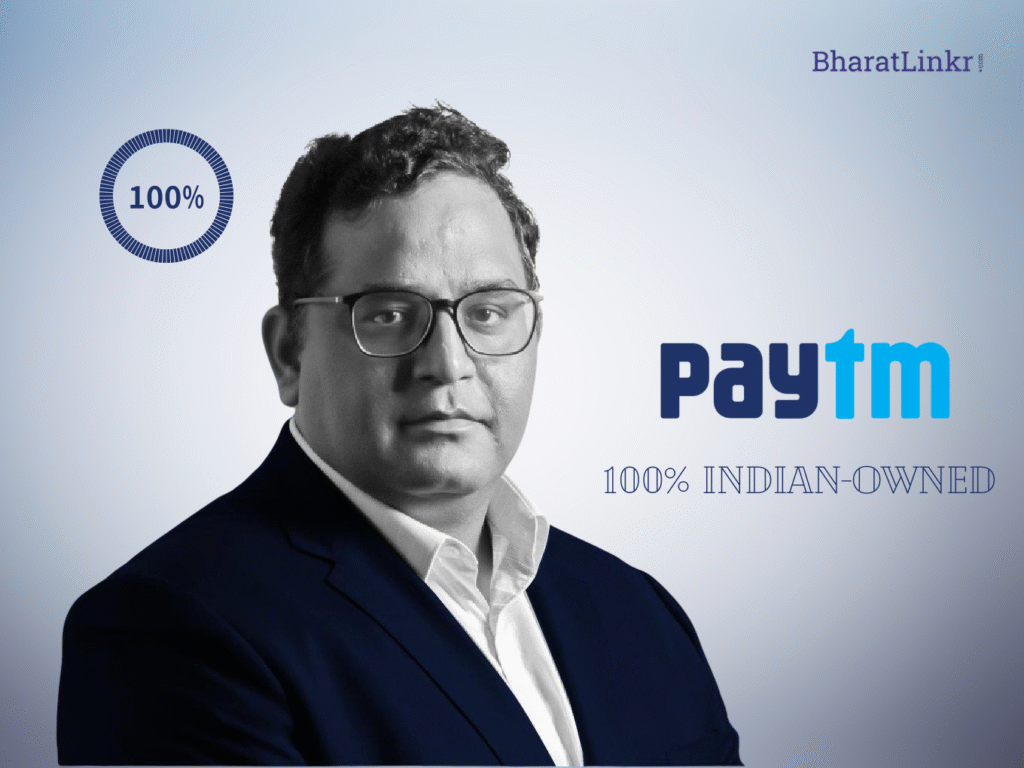
In 2015, the founder of Paytm, Mr. Vijay Shekhar Sharma, mentioned, “We are as Indian as Maruti”, in an interview with PTI, answering inquiries regarding the ownership structure of the business at the time. That statement has now become reality with the fintech that previously encountered regulatory obstacles. This milestone indicates that one of India’s largest fintech companies is now fully aligned with the nation’s goals of economic independence and digital safety.
Mr. Vijay Shekhar Sharma founded Paytm in 2010. The company grew rapidly, aided by significant funding from various transnational companies, including China’s Ant Group, Alibaba’s financial arm. Ant Group has a substantial investment in Paytm, having previously held about 30% of the company. However, due to the rising international conflicts between India and China, there has been an urgent need for Paytm to reconsider its ownership setup.
“With the long-standing overhang from a major Chinese investor now removed, Paytm’s stock could see a positive reaction as ownership concerns ease and supply pressure decreases,” said Sachin Dixit. “The exit also aligns the cap table more closely with regulatory expectations, which could be viewed favorably in the context of Paytm’s pending payment aggregator license.” he added.
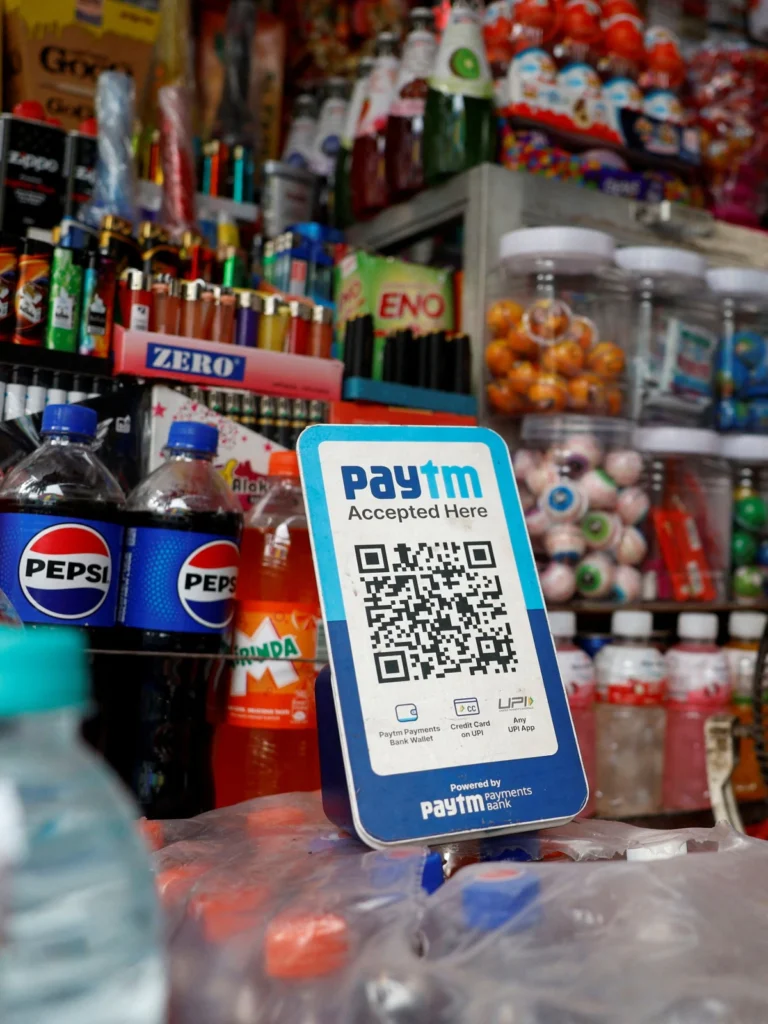
Ant Financial’s Exit Marks New Era
In August 2025, Jack Ma’s Ant Financial fully exited One97 Communications, the parent company of Paytm, by selling its entire 5.84 per cent stake for around Rs 3,803 crore, through a bulk share sale to Indian investors. This transaction was reported and confirmed by leading Indian and international media outlets, including:
- The Economic Times
- Reuters
- Business Standard
This ultimate exit put a full stop to Chinese ownership in Paytm, ushering the company is entirely Indian-owned and managed. The timing of this structural transformation is also essential.
It follows a remarkable Q1 FY26 result in which the Noida-based firm reported a net profit of Rs 123 crore, its first entirely profitable quarter, above analyst forecasts. Year on year, operating income increased by 28% to Rs 1,918 crore, while contribution profit increased by 52% to Rs 1,151 crore.
A person aware of the contours of the deal said, “Paytm is now as Indian as Tata.”
What Does “Fully Indian-Owned and Operated” Mean?
The phrase “Fully Indian-Owned and Operated” implies that Paytm’s technology, data storage, development, and customer support operations are overseen only by India, adhering to local data and Safety regulations. This means having control over an essential system that drives millions of daily transactions, as well as jobs for Indian engineers, developers, and support workers.
For consumers, this means greater assurance that their sensitive financial data and transactions are governed under Indian laws and regulations, with zero foreign control from countries viewed as strategic competitors. It builds trust in the platform’s integrity and security.
In Conclusion: A Milestone in India’s Digital Story
Paytm’s transformation is a massive milestone for the state of fintech in India and digital sovereignty. Paytm now accepts UPI payments in the UAE, Singapore, France, Mauritius, Bhutan, Sri Lanka, and Nepal, making international purchases easier for Indian tourists. This milestone aligns perfectly with India’s strategic goals, safeguards consumer interests, and inspires confidence in Indian entrepreneurship.
Also read | 18-Year-Old Zach Yadegari: $30M Tech Millionaire Rejected by 15 Ivy League Schools