In 2019, a San Francisco startup called Kyte began with one strong yet basic thought: what about receiving rental cars? Kyte let customers book by app and have a “surfer” deliver the car to their doorstep rather than shuttling to rental lots or waiting in long airport lines. At the trip’s end, the same process reversed itself. This included even pick-up services.
For a while, Kyte had cracked the code, or so it looked. However, the promise was of convenience.
A Fast Rise
In short order, Kyte grew all across the United States. By 2022, managers oversaw a fleet exceeding 2,000 vehicles in 14 cities. Customers were impressed with the total experience since it was done without effort, and likewise, investors were truly excited.
The company financed itself with $300 million-plus, including $200 million asset-backed credit during 2022, plus up to $250 million more from Goldman Sachs, Ares Management, and Barclays during early 2024. For just a few years, Kyte seemed as if it could be a serious challenger to both Hertz and Avis. Kyte challenged rental titans during some years.
Kyte introduced subscription models that included maintenance as well as roadside assistance, adding to the excitement by having 3, 6, and 12-month rental plans. At one point in time, Tesla subscriptions were also offered, and it was a twist upon the idea of “owning less but accessing more.”
Trouble on the Road
But by the end of 2024, cracks began to emerge. Expanding a business based on autos, employees, parking lots, and insurance proved much more costly than anticipated. Each new city demanded tremendous upfront spending, and the payback wasn’t soon enough.
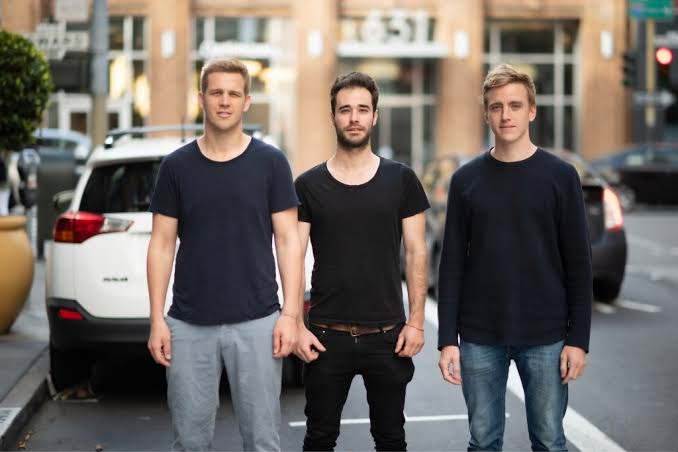
In October 2024, Kyte laid off about half of its workers and retreated to only San Francisco and New York City, leaving markets such as Chicago, Boston, and Atlanta. The founders acknowledged that the model was not yet generating free cash flow at scale—a troubling indicator for a company so reliant on debt capital.
The Collapse
Debt was the coup de grâce. With a fleet that size financed on credit, Kyte was finding it difficult to keep up. By July 2025, the company sold its customer database and certain digital properties to peer-to-peer rental site Turo. A month later, on August 15, 2025, Kyte closed down officially and went into receivership in California.
Its lenders repossessed and sold off cars, and customers with advance reservations fought to obtain refunds—many were instructed that credit card chargebacks would be their best recourse.

What We Can Learn
Kyte’s tale illustrates how rapidly a great idea can disintegrate when economics do not support vision. It had all the right components—$300M+ in funding, 2,000+ autos, 14 cities, rave reviews—but could still not outrun the reality of costs.
The idea of doorstep-delivered rental cars was premature. Maybe with autonomous delivery or improved unit economics, Kyte’s business might have stood a chance. Instead, the story is a reminder that even the best startups can get to a point of running out of road if timing, cost, and capital are not aligned.