Started from WhatsApp, Went Big
Dunzo started out in 2014 as a tiny WhatsApp group in Bengaluru. The concept was basic — assist individuals by doing errands. It picked up speed to become an app that enabled you to order milk, drugs, or collect packages from local shops. In 2017, Google made its very first direct investment in any Indian startup by investing in Dunzo.
Reliance Retail later stepped in and invested $200 million in January 2022, giving Dunzo a valuation of over $775 million.
Speed Was the Promise—20 Minutes or Less!
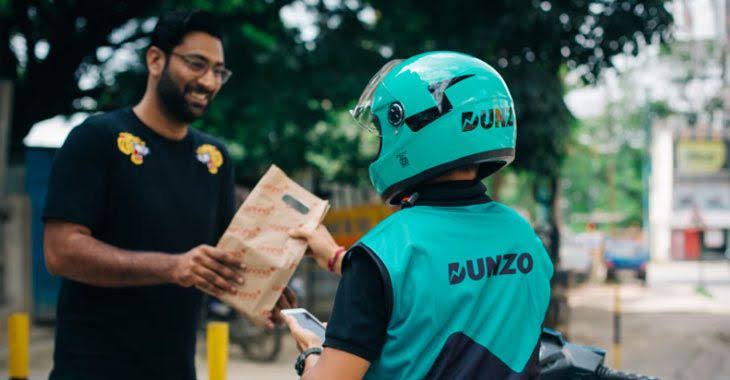
Dunzo then redid itself as a so-called “quick commerce” — delivering essentials in approximately 15 to 20 minutes via small local warehouses called “dark stores.” But operating such a rapid service is expensive. At its high point, Dunzo was spending more than ₹100 crore per month on advertising, including IPL sponsorships.
By 2023, its losses reached ₹1,800 crore, with revenue only ₹226 crore for FY 23.
From Millions of Orders to Just a Few of Them
The plunge in performance was dramatic. By mid-2022, Dunzo’s instant commerce service, Dunzo Daily, was recording 5.5 million monthly orders. But a year hence, this came down to just 1 to 1.5 million orders.
Customers switched to rivals. Delivery charges increased. Delivery guarantee extended from 15 minutes to 60 minutes. This diluted Dunzo’s promise of speed and convenience.

Investor’s Control
Reliance’s investment gave it a say in big decisions, but when Dunzo tried to raise $100 million in 2018, Reliance refused to put in its part, and the deal ended.
Meanwhile, deals with PhonePe or Flipkart didn’t materialize because of resistance from the board. Funding thus dried up quickly.
Team Left the Stage
By mid of the year 2024, several co-founders, such as Dalvir Suri, Mukund Jha, and Ankur Agarwalhad quit. CEO Kabeer Biswas had also quit early in 2025 to lead Flipkart’s quick-commerce business.
Workers and suppliers were not paid for months. It was reported that more than 600 staff hadn’t been paid their dues. Some even approached India’s NCLT (National Company Law Tribunal) with cases.
Lights Out: App and Site Gone Offline
Dunzo’s app and website went offline in January 2025. The sudden shutdown ended operations.
Subsequent to that, Reliance formally wrote off its full $200 million investment, sealing its fate. Dunzo’s valuation dropped to mere ₹300 crore.
Lessons from Dunzo’s Crash
This teaches us important lessons:
• Constant growth is more important than flash growth. Burning money with big marketing does not create a business for the long term.
• Good unit economics are essential. Quick commerce requires operational discipline, not only speed.
• Aligning investors is crucial. Governance without backing can be worse than no investment.
The story of Dunzo’s transformation from a simple WhatsApp group to a soaring startup and its sudden plummet is a stark reminder: in the world of startups, growth has to be matched with sustainability, economics, and clear leadership.