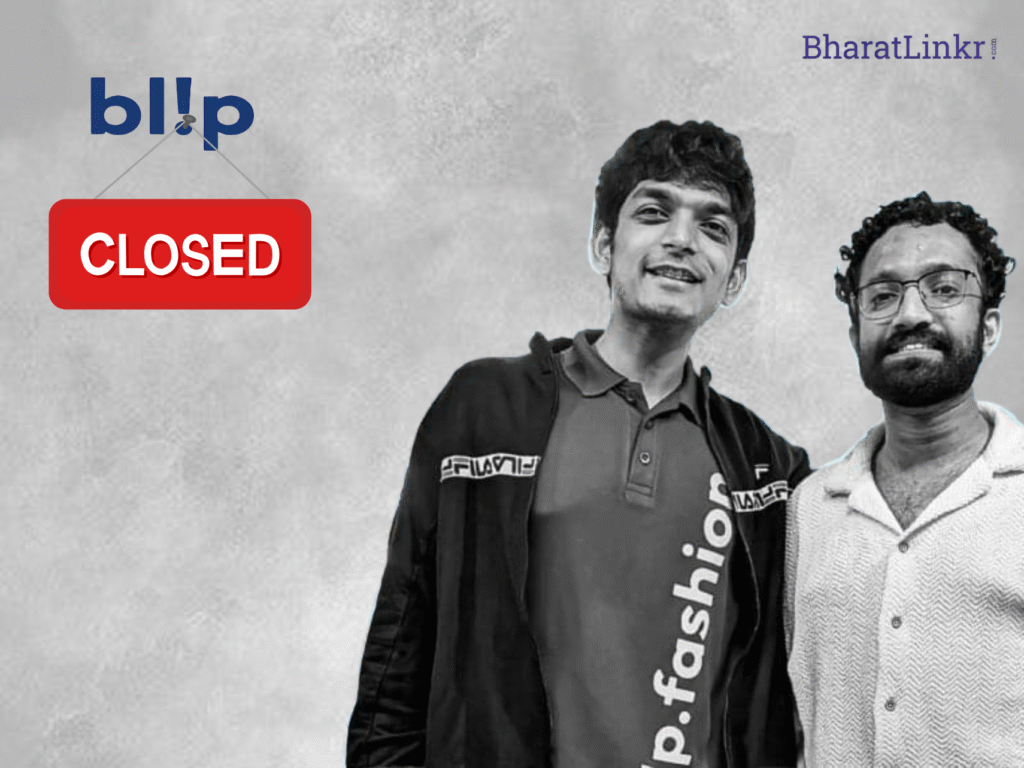
Blip is an ultra-fast fashion delivery startup founded in 2024 by Ansh Agarwal and Sarvesh Kedia. The startup focused on 30-minute fashion delivery with the goal of becoming “Zepto for fashion,” according to Zee Business. The company had over 25,000 SKUs from more than 10 in‑house labels and local shops.
In October of the same year, the business’s app went live. However, the business is now shut down after only a year of operation.
“After building for over a year, we have finally called it a day,” wrote Agarwal in his LinkedIn post.
What Went Wrong
1. Capital Crunch & Cash Burn
Blip operated as a bootstrapped startup, with no venture capital lifeline. As Agarwal put it:
“Bootstrapping the business with limited capital made it extremely difficult for us to participate in the market.”
In a market dominated by tech integrations, marketing size, and logistical density, rapid commerce necessitates a sizeable initial investment. Blip couldn’t maintain client acquisition costs and delivery economics without sufficient capital, nor could it grow outside of its pilot zones.
2. GTM Execution Delays
Their approaches, like the retail store integration, deep‑tech logistics, and first‑of‑its‑kind inventory sync, were unique but ultimately slowed the process.
“With our model being different from the rest, we did a lot of first-in-market implementations that took a fair bit of time to convince stakeholders, which indeed affected a lot of our GTM strategies and slowed things considerably down for us.”
The company faced challenges in convincing partners to digitize, adopt new workflows, and sync real‑time inventory. All these criteria became a roadblock, not a turbo boost.

3. Fierce Competition
As Indian quick commerce gained traction, platforms like Slikk, NewMe, Myntra, and Ajio moved aggressively into Sector-focused fashion delivery. Many had venture funding, scale, or brand power. Blip, who was thin yet had few resources, was in the fight without a puncher’s reach.
Why Fashion vs. Grocery Matters
Quick delivery systems work better for groceries. They are regular and demand-based. Clothing, on the other hand, is a low-frequency system. People prefer personalized, size-specific clothing, which is often not urgent. There’s little habitual value in needing a shirt in 30 minutes.
The Founders’ Reflection
Despite everything, Agarwal expressed no regrets:
“Personally, I continue to believe in this space and understand the need for verticalisation of quick-commerce in general; sadly, it won’t be us.
I am extremely proud of what we did at Blip. Being first in the market and changing the narratives with the resources we had kept me awake at night, but it was all worth it.”
“Having Sarvesh Kedia as my co-founder was literally a godsend. Couldn’t have asked for a better partner. You throw anything at him and he takes it with rigour,” he added.
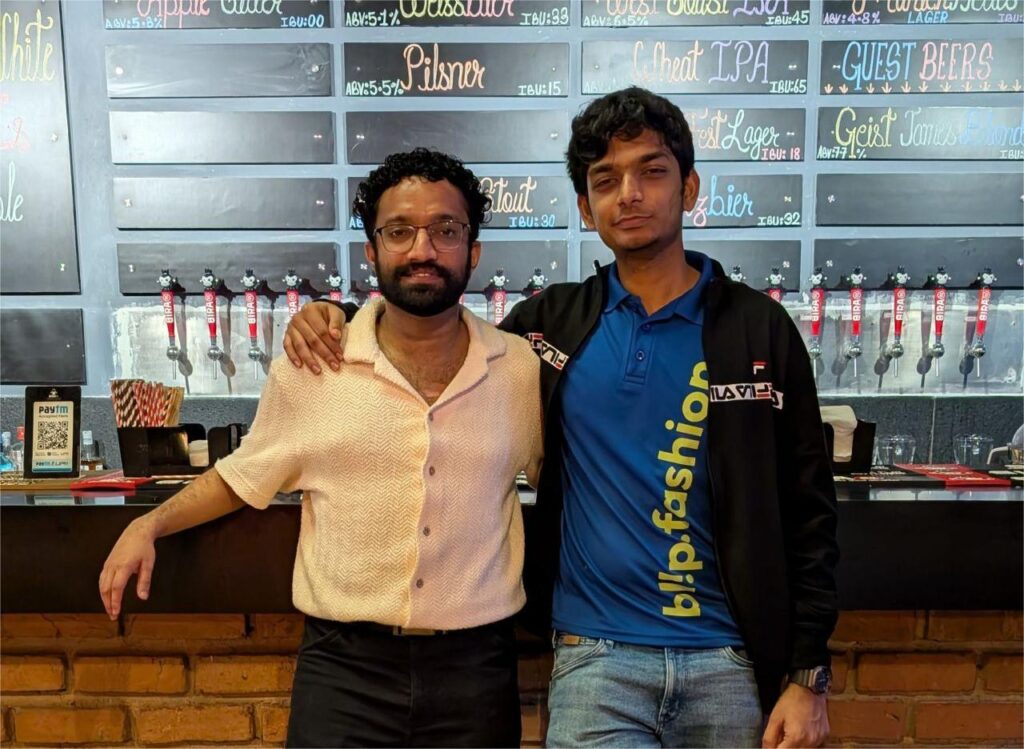
Blip started out as a fashion industry with speed, technology, and ambition. But in the end, it became a reminder that innovation alone doesn’t guarantee success. Quick fashion isn’t just about delivery times. It is about consumer behavior, retention, and deep operational muscle. Without enough capital or market maturity, even the brightest ideas can flicker out fast.
Read more | Once Backed by Shark Tank, Now Gone: The Sudden Fall of Plus Gold