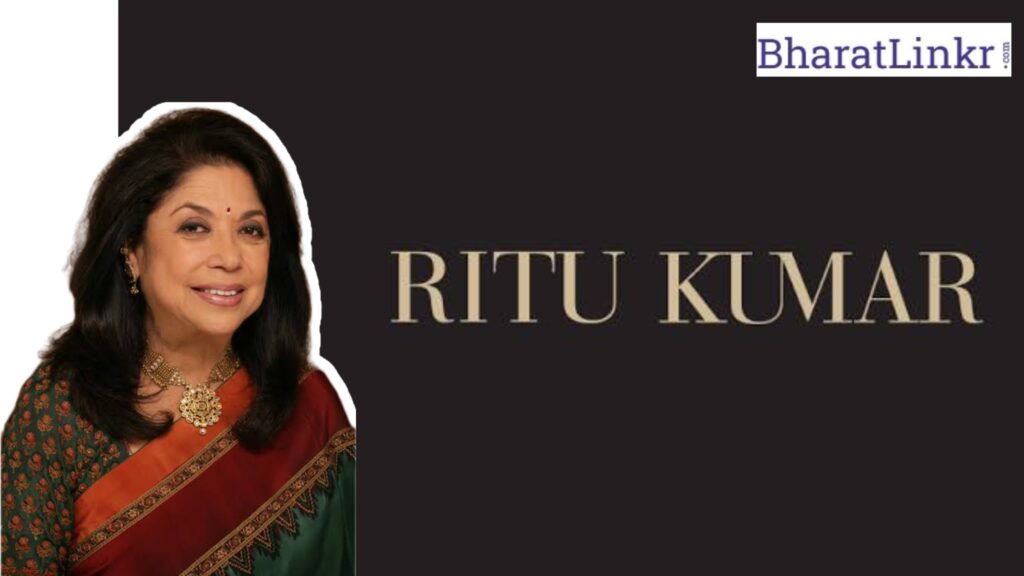
In the colourful weave of Indian fashion, there are few names that glow with as much intensity as that of Ritu Kumar. Hailed as India’s first woman fashion entrepreneur. She started her career in the 1960s and is dedicated to restoring and updating traditional Indian crafts. Her company is a testament to her vision today, incorporating heritage with modern style.
She was born on 11 November 1944 in Amritsar, Punjab, and subsequently shifted to Shimla because there were not many educational opportunities available in Punjab. She later shifted to Delhi to attend Lady Irwin College as well as study museology at the University of Calcutta.
A Humble Beginning
Ritu Kumar’s foray into fashion started in a small setup in Kolkata. She began with hand-block printing methods using only four printers. She was passionate about India’s rich textile heritage, and she laid the foundation for what would become a worldwide fashion empire. Her early collections were primarily about reviving ancient crafts such as block printing and weaving, which had fallen into the shadow of colonial influences.
Reviving Traditional Crafts
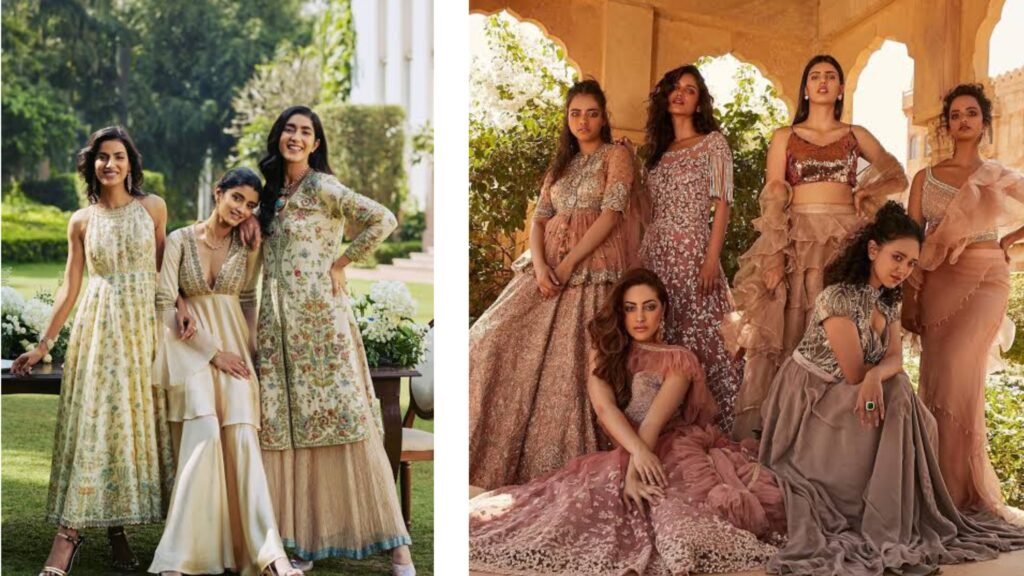
One of Kumar’s major contributions has been her devotion towards restoring ancient Indian crafts. She has closely collaborated with artisans from various parts of India, such as Kutch and Rajasthan, attempting to highlight vanishing art forms such as Bandhani, Ajrakh, and Shibori. Through incorporating these crafts in modern designs, she not only saved them but also presented them to the entire world.
A Global Presence
She was the first to bring boutique culture to India with the label “Ritu”. Since her first boutique in Kolkata, Ritu Kumar’s business has grown to more than 30 stores in India and abroad, such as Dubai. Her creations have been part of the closets of international icons, such as Princess Diana and Bollywood stars such as Priyanka Chopra and Deepika Padukone. She has a total of 93 stores in India and abroad. She is primarily famous for her bridal couture, ethnic wear, as well as contemporary fusion fashion. She uses traditional Indian fabrics and craftwork in modern collections. This is what differentiates her and makes her stand out from the rest.
Legacy and Future
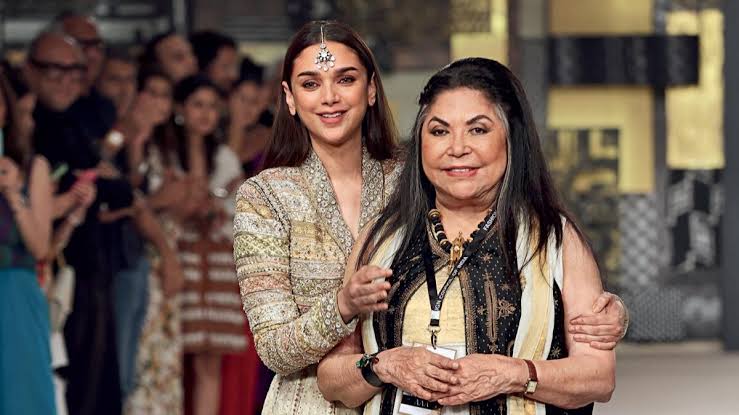
Even at the age of 80, Ritu Kumar is very much active with her brand and is always breaking rules but remaining true to tradition. Her new book attempts to explore the revival of forgotten textile traditions with a view to making future generations aware of and respect India’s rich craft heritage.
She has also received the Padma Shree in 2013 for her contribution to Indian fashion.
Conclusion
Ritu Kumar’s journey from a modest printing unit to the international fashion platform is proof of her vision and passion for Indian heritage. Her work continues to inspire many designers and fashion followers worldwide. She illustrates that tradition and modern touch can blend beautifully.